Buy best-product.eu ?
We are moving the project
best-product.eu .
Are you interested in purchasing the domain
best-product.eu ?
domain@kv-gmbh.de · 0541-91531010
Buy best-product.eu ?
Why are all stainless steels considered to be stainless steels?
All stainless steels are considered to be stainless because they contain a minimum of 10.5% chromium, which creates a protective layer of chromium oxide on the surface of the steel. This layer prevents corrosion and staining, giving stainless steel its characteristic resistance to rust and corrosion. Additionally, stainless steels may also contain other alloying elements such as nickel, molybdenum, or titanium, which further enhance their resistance to corrosion and staining. Therefore, all stainless steels share the common characteristic of being resistant to rust and corrosion, making them suitable for a wide range of applications. **
Which stainless steels are magnetic?
Stainless steels that are magnetic are primarily the ferritic and martensitic types. Ferritic stainless steels, such as grades 409, 430, and 439, contain high levels of chromium but low levels of carbon, making them magnetic. Martensitic stainless steels, like grades 410 and 420, are also magnetic due to their high carbon content and the addition of elements like nickel and chromium. Austenitic stainless steels, on the other hand, such as grades 304 and 316, are non-magnetic due to their crystal structure. **
Similar search terms for Steels
Top-Angebote
Products related to Steels:
-
Makita HR2670/2 Professional 240V SDS-Plus 26mm Rotary Hammer – 3-Mode Versatility & Industrial DurabilityOvercome Every Obstacle with Industrial Power and Precision Master the most demanding masonry and construction tasks with the Makita HR2670/2 (EAN: 0197050007131), a high-performance rotary hammer engineered for the professional who views efficiency as a non-negotiable. Designed for those who work in high-stakes environments—from structural renovation to heavy-duty installations—this 240V tool bridges the gap between raw, punishing power and refined user control. By integrating Makita's legendary motor technology into a balanced, ergonomic chassis, the HR2670/2 allows you to punch through concrete and stone with effortless speed, transforming what were once back-breaking days into a seamless display of productivity and craft. Key Features & Benefits Breeze Through Toughest Concrete with 26mm Drilling Capacity: Optimized for high-impact performance, this tool allows you to sink deep, precise holes in reinforced concrete and masonry. You save time on every task, moving from one fix to the next with minimal physical resistance. Total Project Adaptability with 3-Mode Operation: Switch instantly between Rotary Only, Rotary Hammer, and Hammer Only modes. This allows you to handle everything from precise timber drilling to high-impact chiseling for tile removal with a single, professional-grade unit. Reduced Downtime with SDS-Plus Bit System: Experience secure, lightning-fast bit changes that require zero extra tools. This standard ensures maximum energy transfer from the motor to the drill tip, meaning your bits work harder so you don’t have to. Precise Control with Variable Speed Trigger: Take absolute command of the start of your drill hole. By controlling the RPM with your touch, you eliminate "bit wander" and surface damage, ensuring a professional, clean finish on every substrate. Maximum All-Day Comfort via Ergonomic Grip: The vibration-dampening rubberized handle reduces physical fatigue during extended use. This allows for superior leverage and stability, keeping you accurate and safe even during overhead or high-repetition tasks. Reliable Hardware Protection with Torque Limiter: The built-in safety clutch disengages the motor if the bit binds in rebar or hard stone. This prevents the tool from kicking back, protecting your wrists and the motor's internal gearing from sudden impact damage. Fast Extractions with Forward/Reverse Rotation: Effortlessly back out bits from deep holes or stubborn materials. This functionality reduces the risk of jammed hardware and ensures your workflow remains continuous and fluid. Why Choose This Product The Makita HR2670/2 is not just an addition to your toolbox; it is an investment in your professional momentum. In an industry where speed is currency and reliability is a prerequisite for safety, this rotary hammer stands as a benchmark of Japanese engineering. Choosing this tool (0197050007131) means opting for the peace of mind that comes with "Makita Blue"—the assurance that your gear will start,...117,49 £*Shipping: 0,00 £Secure redirect to the provider
-
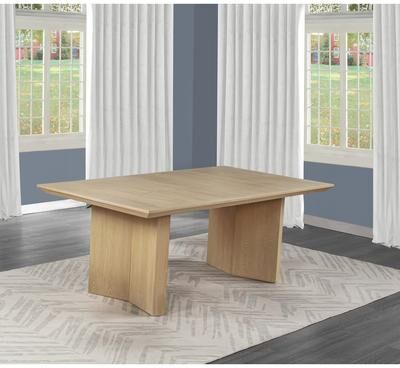
Best Quality Furniture "Best Quality 70"" in Light Oak Natural Finish Dining Table""78"" Light Oak Dining Table gives your dining area a Farmstyle look. This Beautiful Dining table can be pair with our cream color chairs and our Matching Dining Server."1399,99 $*Shipping: 0,00 $Secure redirect to the provider
-
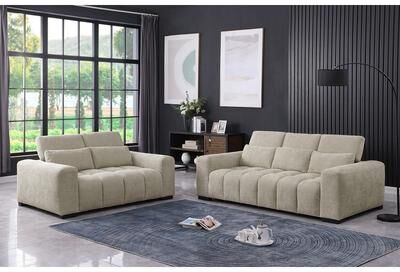
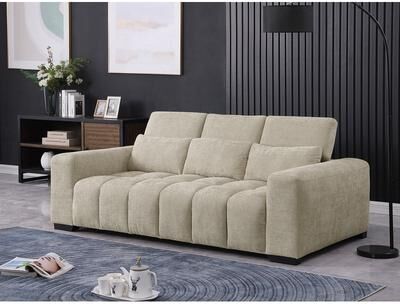
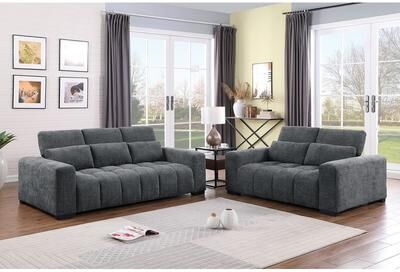
Best Quality Furniture Best Quality 2pc Sofa & LoveseatBest Quality Furniture New 2pc Chenille Fabric Sofa and Loveseat. This Sofa and Loveseat come in two colors Beige and Dark Gray. This sectional includes pillow. Give your living room a beautiful modern/glam look with this Sofa Love seat.1779,99 $*Shipping: 0,00 $Secure redirect to the provider

-
How are flat steels welded?
Flat steels are typically welded using one of several methods, including shielded metal arc welding (SMAW), gas metal arc welding (GMAW), or flux-cored arc welding (FCAW). SMAW, also known as stick welding, uses a consumable electrode coated in flux to create the weld. GMAW, or MIG welding, uses a continuous solid wire electrode and a shielding gas to protect the weld from atmospheric contamination. FCAW is similar to GMAW but uses a tubular electrode filled with flux instead of a solid wire. Each method has its own advantages and is chosen based on the specific requirements of the welding project. **
-
Which steels are easily machinable?
Steels that are easily machinable typically have a higher amount of sulfur and phosphorus, which helps to break the chips during the machining process. Free machining steels, such as 12L14 and 1215, are known for their excellent machinability due to their high sulfur content. Additionally, leaded steels, such as 11L17 and 11L41, are also easily machinable because the lead acts as a lubricant during the cutting process, reducing friction and improving machinability. These steels are commonly used in applications where high-speed machining and excellent surface finish are required. **
-
Which steels are resistant to seawater?
Stainless steels such as 316 and 316L are highly resistant to seawater corrosion due to their high levels of chromium and molybdenum. These steels are commonly used in marine applications such as boat fittings, underwater equipment, and offshore platforms. Additionally, duplex stainless steels, which contain a combination of austenitic and ferritic microstructures, also offer good resistance to seawater corrosion. These steels are often used in seawater piping systems and desalination plants. **
-
What are alloyed and non-alloyed steels?
Alloyed steels are steels that have been mixed with other elements such as nickel, chromium, or manganese to enhance their properties like strength, hardness, and corrosion resistance. Non-alloyed steels, on the other hand, are steels that only contain iron and carbon as the primary elements. Non-alloyed steels are generally more ductile and easier to work with, while alloyed steels are often used in applications where higher strength or specific properties are required. **

In which steels does RP 10 play a role?
RP 10 plays a role in high-speed steels, tool steels, and stainless steels. It is commonly used as a cutting tool material in these steels due to its excellent wear resistance, toughness, and ability to maintain hardness at high temperatures. RP 10 helps improve the performance and longevity of tools made from these steels, making them suitable for demanding applications in industries such as automotive, aerospace, and manufacturing. **
Do high-alloy steels always have a carburized structure?
No, high-alloy steels do not always have a carburized structure. Carburization is a process in which carbon is diffused into the surface of the steel to increase its hardness. While high-alloy steels are often used in carburizing applications due to their ability to maintain their strength and hardness at high temperatures, not all high-alloy steels are carburized. The decision to carburize a high-alloy steel depends on the specific application and the desired properties of the final product. **
Top-Angebote
Products related to Steels:
-
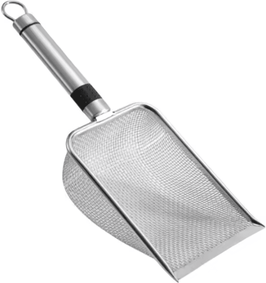
Uplift Curations Stainless Steel Cat Litter Scoop Durable, Rust Resistant Ergonomic Pet Waste Scoop For Quick Cleanup stainless SteelsMake litter box maintenance easier and more hygienic with this Stainless Steel Cat Litter Scoop, designed for quick and efficient waste removal every time. Crafted from durable, rustresistant stainless steel, it stands up to daily use without...80,00 $*Shipping: 0,00 $Secure redirect to the provider
-
Best Quality Furniture Best Quality 2pc Sofa & LoveseatBest Quality Furniture New 2pc Chenille Fabric Sofa and Loveseat. This Sofa and Loveseat come in two colors Beige and Dark Gray. This sectional includes pillow. Give your living room a beautiful modern/glam look with this Sofa Love seat.2783,99 $*Shipping: 0,00 $Secure redirect to the provider
-
Makita HR2670/2 Professional 240V SDS-Plus 26mm Rotary Hammer – 3-Mode Versatility & Industrial DurabilityOvercome Every Obstacle with Industrial Power and Precision Master the most demanding masonry and construction tasks with the Makita HR2670/2 (EAN: 0197050007131), a high-performance rotary hammer engineered for the professional who views efficiency as a non-negotiable. Designed for those who work in high-stakes environments—from structural renovation to heavy-duty installations—this 240V tool bridges the gap between raw, punishing power and refined user control. By integrating Makita's legendary motor technology into a balanced, ergonomic chassis, the HR2670/2 allows you to punch through concrete and stone with effortless speed, transforming what were once back-breaking days into a seamless display of productivity and craft. Key Features & Benefits Breeze Through Toughest Concrete with 26mm Drilling Capacity: Optimized for high-impact performance, this tool allows you to sink deep, precise holes in reinforced concrete and masonry. You save time on every task, moving from one fix to the next with minimal physical resistance. Total Project Adaptability with 3-Mode Operation: Switch instantly between Rotary Only, Rotary Hammer, and Hammer Only modes. This allows you to handle everything from precise timber drilling to high-impact chiseling for tile removal with a single, professional-grade unit. Reduced Downtime with SDS-Plus Bit System: Experience secure, lightning-fast bit changes that require zero extra tools. This standard ensures maximum energy transfer from the motor to the drill tip, meaning your bits work harder so you don’t have to. Precise Control with Variable Speed Trigger: Take absolute command of the start of your drill hole. By controlling the RPM with your touch, you eliminate "bit wander" and surface damage, ensuring a professional, clean finish on every substrate. Maximum All-Day Comfort via Ergonomic Grip: The vibration-dampening rubberized handle reduces physical fatigue during extended use. This allows for superior leverage and stability, keeping you accurate and safe even during overhead or high-repetition tasks. Reliable Hardware Protection with Torque Limiter: The built-in safety clutch disengages the motor if the bit binds in rebar or hard stone. This prevents the tool from kicking back, protecting your wrists and the motor's internal gearing from sudden impact damage. Fast Extractions with Forward/Reverse Rotation: Effortlessly back out bits from deep holes or stubborn materials. This functionality reduces the risk of jammed hardware and ensures your workflow remains continuous and fluid. Why Choose This Product The Makita HR2670/2 is not just an addition to your toolbox; it is an investment in your professional momentum. In an industry where speed is currency and reliability is a prerequisite for safety, this rotary hammer stands as a benchmark of Japanese engineering. Choosing this tool (0197050007131) means opting for the peace of mind that comes with "Makita Blue"—the assurance that your gear will start,...117,49 £*Shipping: 0,00 £Secure redirect to the provider
-
Best Quality Furniture "Best Quality 70"" in Light Oak Natural Finish Dining Table""78"" Light Oak Dining Table gives your dining area a Farmstyle look. This Beautiful Dining table can be pair with our cream color chairs and our Matching Dining Server."1399,99 $*Shipping: 0,00 $Secure redirect to the provider
-
Why are all stainless steels considered to be stainless steels?
All stainless steels are considered to be stainless because they contain a minimum of 10.5% chromium, which creates a protective layer of chromium oxide on the surface of the steel. This layer prevents corrosion and staining, giving stainless steel its characteristic resistance to rust and corrosion. Additionally, stainless steels may also contain other alloying elements such as nickel, molybdenum, or titanium, which further enhance their resistance to corrosion and staining. Therefore, all stainless steels share the common characteristic of being resistant to rust and corrosion, making them suitable for a wide range of applications. **
-
Which stainless steels are magnetic?
Stainless steels that are magnetic are primarily the ferritic and martensitic types. Ferritic stainless steels, such as grades 409, 430, and 439, contain high levels of chromium but low levels of carbon, making them magnetic. Martensitic stainless steels, like grades 410 and 420, are also magnetic due to their high carbon content and the addition of elements like nickel and chromium. Austenitic stainless steels, on the other hand, such as grades 304 and 316, are non-magnetic due to their crystal structure. **
-
How are flat steels welded?
Flat steels are typically welded using one of several methods, including shielded metal arc welding (SMAW), gas metal arc welding (GMAW), or flux-cored arc welding (FCAW). SMAW, also known as stick welding, uses a consumable electrode coated in flux to create the weld. GMAW, or MIG welding, uses a continuous solid wire electrode and a shielding gas to protect the weld from atmospheric contamination. FCAW is similar to GMAW but uses a tubular electrode filled with flux instead of a solid wire. Each method has its own advantages and is chosen based on the specific requirements of the welding project. **
-
Which steels are easily machinable?
Steels that are easily machinable typically have a higher amount of sulfur and phosphorus, which helps to break the chips during the machining process. Free machining steels, such as 12L14 and 1215, are known for their excellent machinability due to their high sulfur content. Additionally, leaded steels, such as 11L17 and 11L41, are also easily machinable because the lead acts as a lubricant during the cutting process, reducing friction and improving machinability. These steels are commonly used in applications where high-speed machining and excellent surface finish are required. **
Similar search terms for Steels
-
Best Quality Furniture Best Quality 2pc Sofa & LoveseatBest Quality Furniture New 2pc Chenille Fabric Sofa and Loveseat. This Sofa and Loveseat come in two colors Beige and Dark Gray. This sectional includes pillow. Give your living room a beautiful modern/glam look with this Sofa Love seat.1779,99 $*Shipping: 0,00 $Secure redirect to the provider
-
Best Quality Furniture Best Quality 2pc Sofa & LoveseatBest Quality Furniture New 2pc Chenille Fabric Sofa and Loveseat. This Sofa and Loveseat come in two colors Beige and Dark Gray. This sectional includes pillow. Give your living room a beautiful modern/glam look with this Sofa Love seat.1636,99 $*Shipping: 0,00 $Secure redirect to the provider
-
Best Quality Furniture Best Quality 2pc Sofa & LoveseatBest Quality Furniture New 2pc Chenille Fabric Sofa and Loveseat. This Sofa and Loveseat come in two colors Beige and Dark Gray. This sectional includes pillow. Give your living room a beautiful modern/glam look with this Sofa Love seat.2783,99 $*Shipping: 0,00 $Secure redirect to the provider
-
Which steels are resistant to seawater?
Stainless steels such as 316 and 316L are highly resistant to seawater corrosion due to their high levels of chromium and molybdenum. These steels are commonly used in marine applications such as boat fittings, underwater equipment, and offshore platforms. Additionally, duplex stainless steels, which contain a combination of austenitic and ferritic microstructures, also offer good resistance to seawater corrosion. These steels are often used in seawater piping systems and desalination plants. **
-
What are alloyed and non-alloyed steels?
Alloyed steels are steels that have been mixed with other elements such as nickel, chromium, or manganese to enhance their properties like strength, hardness, and corrosion resistance. Non-alloyed steels, on the other hand, are steels that only contain iron and carbon as the primary elements. Non-alloyed steels are generally more ductile and easier to work with, while alloyed steels are often used in applications where higher strength or specific properties are required. **
-
In which steels does RP 10 play a role?
RP 10 plays a role in high-speed steels, tool steels, and stainless steels. It is commonly used as a cutting tool material in these steels due to its excellent wear resistance, toughness, and ability to maintain hardness at high temperatures. RP 10 helps improve the performance and longevity of tools made from these steels, making them suitable for demanding applications in industries such as automotive, aerospace, and manufacturing. **
-
Do high-alloy steels always have a carburized structure?
No, high-alloy steels do not always have a carburized structure. Carburization is a process in which carbon is diffused into the surface of the steel to increase its hardness. While high-alloy steels are often used in carburizing applications due to their ability to maintain their strength and hardness at high temperatures, not all high-alloy steels are carburized. The decision to carburize a high-alloy steel depends on the specific application and the desired properties of the final product. **
* All prices are inclusive of VAT and, if applicable, plus shipping costs. The offer information is based on the details provided by the respective shop and is updated through automated processes. Real-time updates do not occur, so deviations can occur in individual cases. ** Note: Parts of this content were created by AI.